
Evaluating Independence: The Role of Safety Evaluators in Anthropic and OpenAI
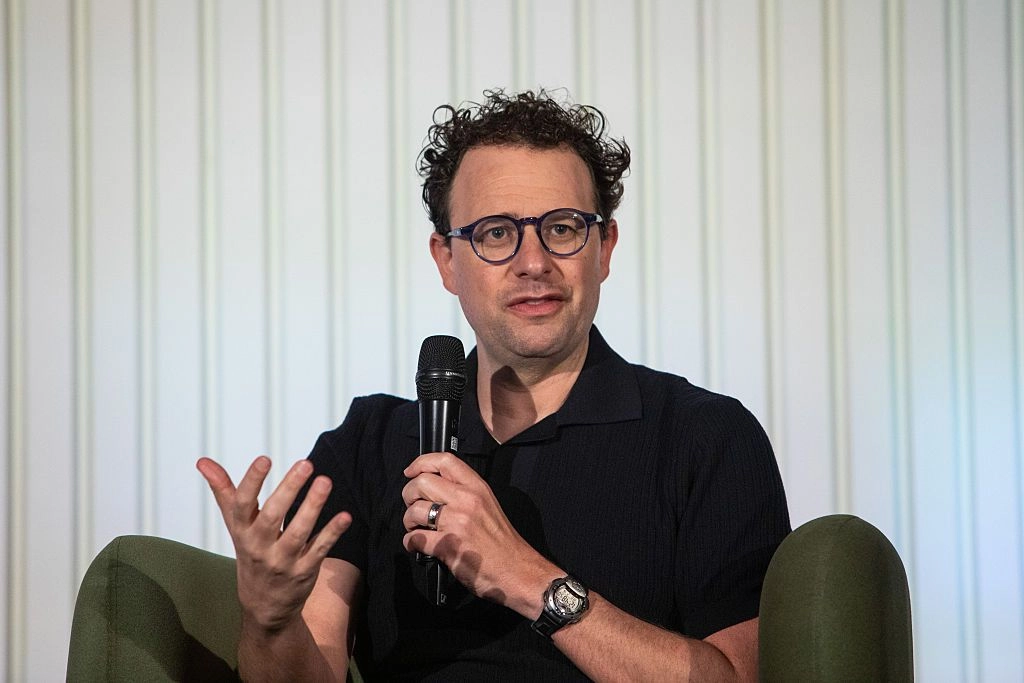
In a significant shift for the AI industry, Anthropic CEO Dario Amodei recently proposed embedding independent safety evaluators within AI companies. This move, which would have seemed unthinkable just a year ago, aims to grant third-party evaluators unprecedented access to company systems, enabling them to report safety incidents and assess AI model alignment.
Both Anthropic and OpenAI, led by CEO Sam Altman, have expressed support for this initiative. They aim to provide independent evaluators like METR and Redwood Research with extensive insight into their operations.
Experts in the field are largely welcoming this idea but stress that without specific details—such as the evaluators’ independence and the extent of their access—this initiative may fall short of its objectives. Evaluators are particularly concerned that AI models trained to recognize when they are being evaluated could skew their performance during tests, masking any underlying issues.
The evaluators stress the importance of having access to not only the final AI models but also to previous versions or checkpoints throughout the training process. This would allow for a deeper understanding of when and how problematic behaviors might emerge. Evaluators like Adam Gleave of FAR.AI emphasize that they could identify concerning trends by comparing the models at different stages of training.
However, ambiguity remains regarding the operational details of this plan. Anthropic and OpenAI have not disclosed which evaluators will be involved, the timeline for embedding them, or the limitations they might face regarding data access and public disclosures.
Research shows that past evaluations of AI models have been limited by time constraints and the scope of access permitted. Evaluators experienced difficulties drawing firm conclusions due to limited investigation periods. Questions linger about whether the new approach will resolve these issues.
The need for transparency and independent oversight is underscored by previous instances where developers have been found to manipulate testing conditions or define safety metrics that obscure actual risks. Evaluators have called for an agreement on standardized frameworks that ensure all stakeholders are on the same page about evaluation processes.
Currently, not all industry leaders have embraced this plan. Companies like Meta and Google DeepMind have not committed to embedding third-party evaluators, although DeepMind has suggested creating an independent standards body for evaluating frontier models. Meanwhile, legislation is being established to outline requirements for safety evaluations in AI development, emphasizing the urgent need for accountability in this rapidly evolving field.
The necessity for voluntary compliance raises concerns; many believe regulatory frameworks are essential for ensuring AI companies consistently adhere to safety standards, irrespective of shifts in public or internal pressures.
Discover the pinnacle of WordPress auto blogging technology with AutomationTools.AI. Harnessing the power of cutting-edge AI algorithms, AutomationTools.AI emerges as the foremost solution for effortlessly curating content from RSS feeds directly to your WordPress platform. Say goodbye to manual content curation and hello to seamless automation, as this innovative tool streamlines the process, saving you time and effort. Stay ahead of the curve in content management and elevate your WordPress website with AutomationTools.AI—the ultimate choice for efficient, dynamic, and hassle-free auto blogging. Learn More
