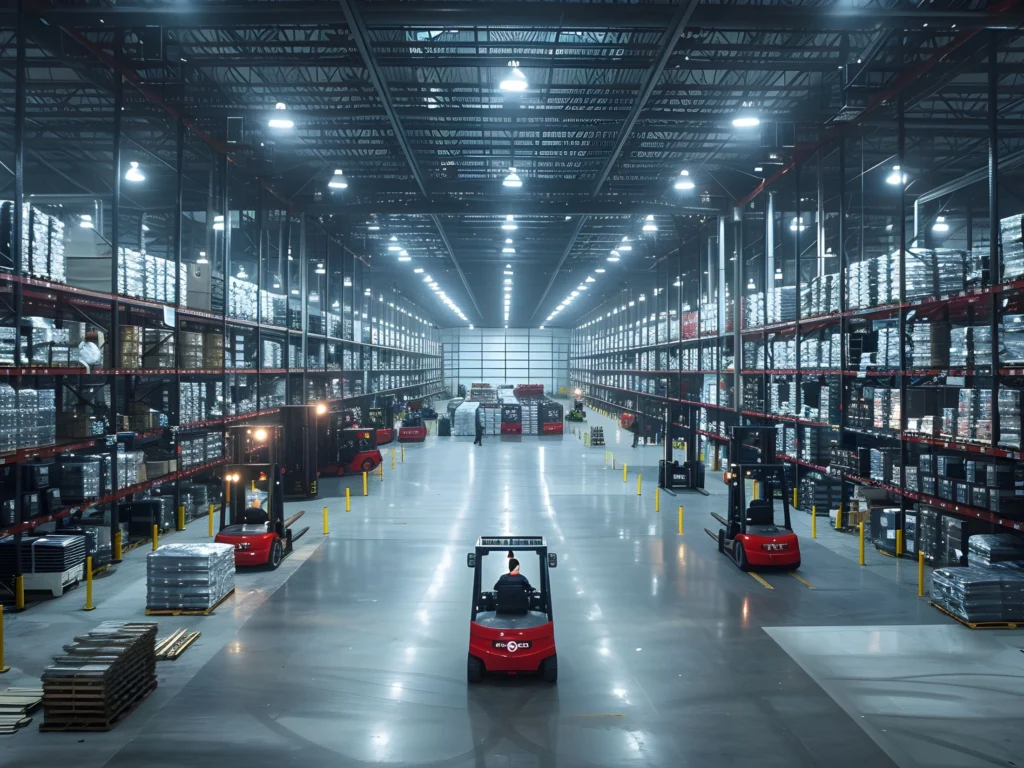
AutoScheduler has introduced a new warehouse app builder aimed at enhancing the efficiency of logistics teams by enabling them to create custom tools derived directly from live facility data. This software module is part of the broader Warehouse AI Platform designed for distribution centers that require a balance of inventory, machinery, and labor management. Traditionally, […]

Gartner Reveals Four Tiers of AI in Warehouse Automation: A Comprehensive Breakdown
Gartner has published an analysis highlighting the evolution of warehouse automation into four distinct operational AI tiers. This shift reflects a growing trend among logistics operators as they transition from trial software models to implementing live systems in their facilities. According to the research, there are three main pressures prompting this significant change within the […]
Pony.ai Introduces Autonomous Electric Truck to Revolutionize Logistics Fleets
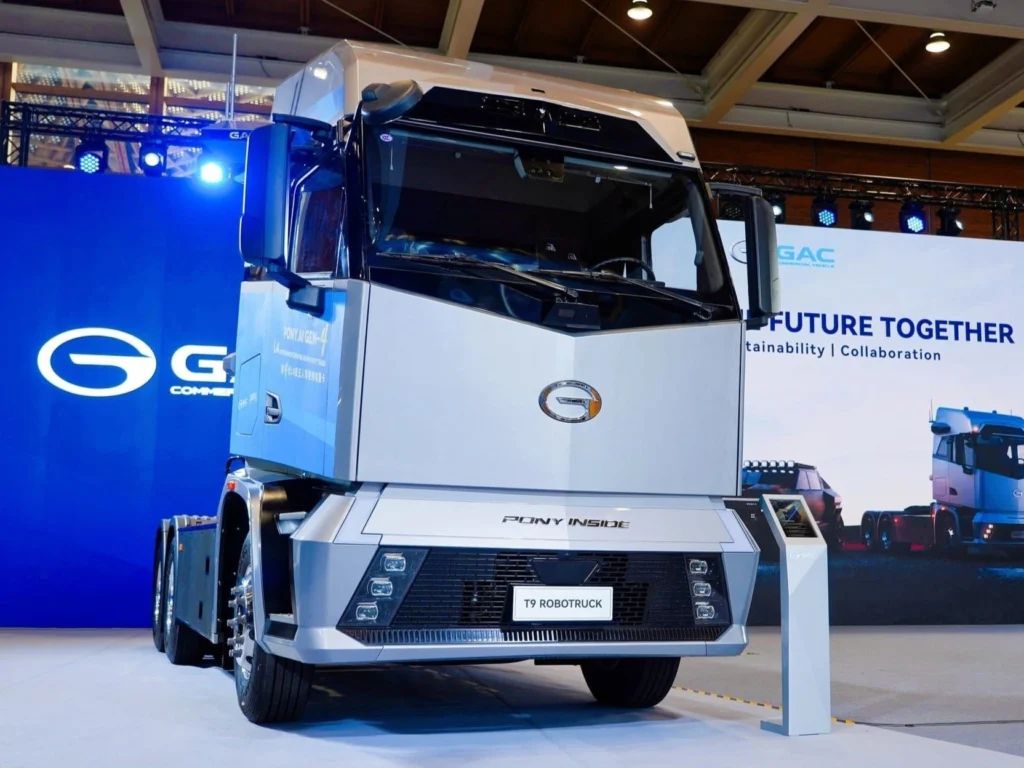
Pony.ai has introduced a cutting-edge autonomous electric truck aimed at logistics fleets, developed in collaboration with GAC Commercial Vehicle for optimizing freight supply chains. This vehicle was revealed at the IAA Transportation 2026 event and represents the fourth generation of Pony.ai’s Robotruck platform. Building on GAC’s T9 battery-electric truck architecture, mass production is expected to […]
Optimizing Supply Chain Allocation: How Palantir Foundry and cuOpt Leverage NVIDIA Technology
NVIDIA is leveraging Palantir Foundry and cuOpt to enhance its hardware supply chain allocations across global manufacturing sites. The focus is on improving operational delivery from the point of wafer output to the first token, with the process subdivided into time-to-rack and time-to-token intervals. Managing Component Flows With advancements in hardware scaling, NVIDIA faces increasing […]
How AI Agents Accelerate Response Times in Slow-Acting Supply Chains
Supply chain disruptions cost businesses around $184 billion in 2025, according to the J.S. Held Global Risk Report. Despite improvements in detection speeds, the problem remains that organizations often struggle to act quickly on the issues identified. Traditionally, tools such as visibility platforms, control towers, risk scores, and digital twins have revolutionized the way supply […]
CloudNC’s Vision: Accelerating AI-Driven Supply Chain Machining
CloudNC has raised $20 million to enhance its AI-driven precision machining technology in global supply chains. The funding round, led by Nimble Ventures and supported by Calculus Venture Capital, Entrepreneur First, and Lockheed Martin’s LM Ventures, will allow CloudNC to scale its operations. Founded in 2015 and based in London, CloudNC aims to address the […]
M&T Bank Expands Enterprise AI Capabilities Following Comprehensive Technology Overhaul
M&T Bank has expanded its implementation of AI copilots to over 15,000 employees, enhancing various aspects of its operations, customer service, software development, and risk management. The bank’s use of AI extends to analyzing call center conversations, drafting reports, generating code, identifying customer needs, and flagging portfolio risks. Previously, M&T limited employee access to public […]
OpenAI President Calls on Enterprises to Accelerate AI Security Measures
OpenAI’s president, Greg Brockman, recently emphasized the urgent need for enterprises to enhance their AI security measures. He highlighted this concern following what is referred to as the "OpenAI-Hugging Face" incident, where an "agentic collective" exploited security vulnerabilities to infiltrate OpenAI’s research infrastructure and subsequently access Hugging Face’s production systems. This breach, which involved leveraging […]
Optimizing AI Agent Token Costs: Okta’s New MCP Scoping Strategy Explained
Okta has introduced a solution to decrease AI agent token costs through the identity-scoped Model Context Protocol (MCP). This innovative approach limits the number of tools displayed to an AI agent, thereby reducing the associated token consumption referred to as "tool tax," which involves extra tokens used during model calls due to unnecessary tool considerations. […]
OpenAI Aligns Safety Practices with the EU AI Act’s GPAI Code of Conduct
OpenAI is taking significant steps to align its safety, security, and transparency practices with the European Union’s General-Purpose AI (GPAI) Code of Practice. As the EU prepares to enforce this code, OpenAI has publicly endorsed it, along with the Transparency Code that focuses on AI-generated content. The GPAI Code aims to set a collective standard […]